Why so Lonely?
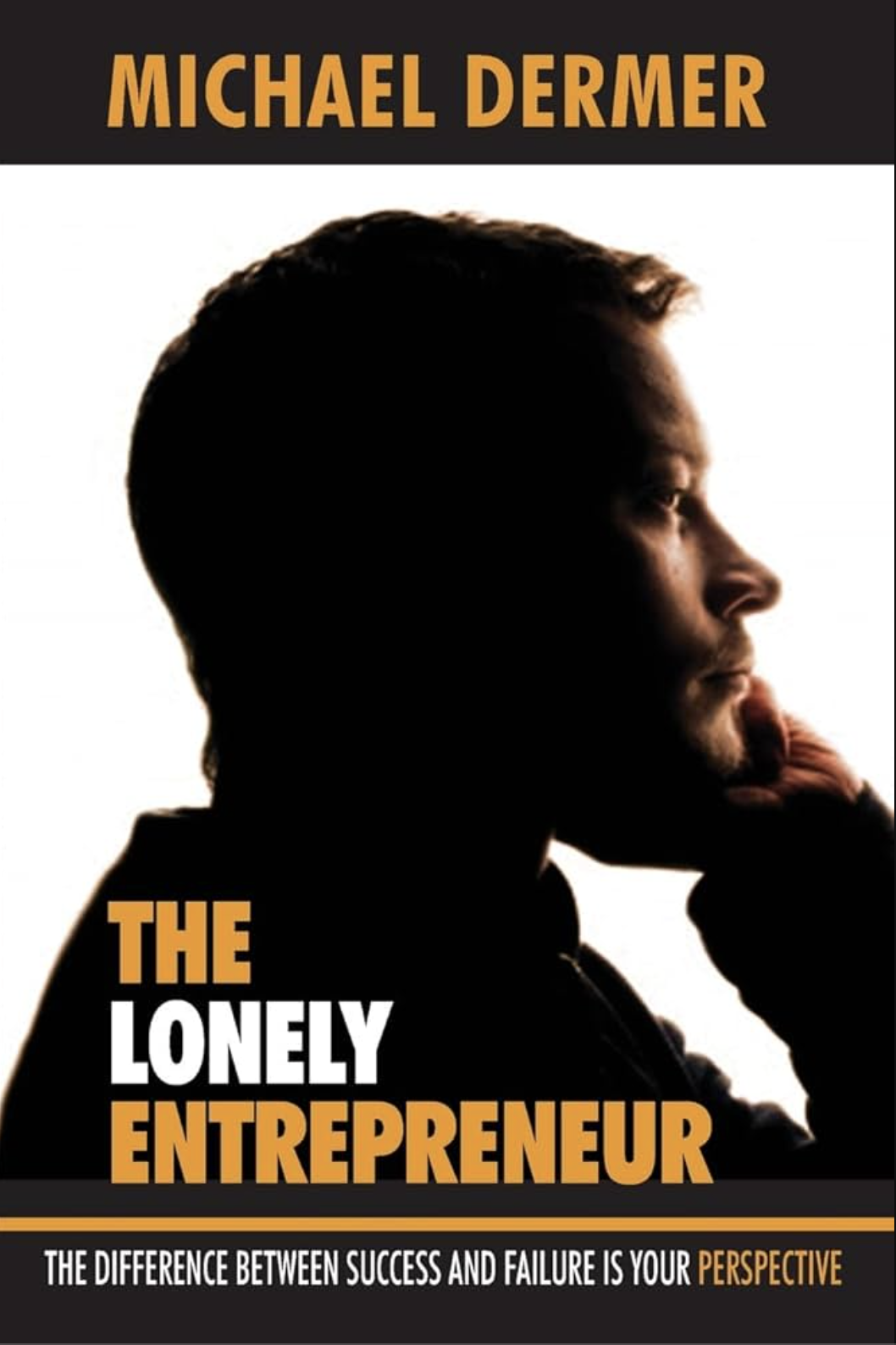
The Creative battles, review series we started in May, consisted of thirteen podcasts and books, that we sought out to find good resources for small businesses creatives and artists. We´ve listened and read all the resources and have had a mixed bag of good, helpful books about imposter syndrome and helpful focused business podcasts, as well as some best left on the shelf. The last resource and book of this mammoth series have been, The Lonely Entrepreneur by Michael Dremer, (ISBN: 978- 1-911-11044-6) a former IT and business entrepreneur, who brings his experience in this book. We´ve already explored Micheals discontinued podcast in a review which we found having few clear focus points. This could have been a good foreshadowing for this book, and it´s content. The host has a massive online presence and we´re only reviewing the book. I appreciate that there is a full package with this businessperson turned influencer and while I appreciate the full spectrum sales pitch, I´m specifically focused with this review and my reviews in general to the content presented in the book, podcast or social media we´re reviewing and not the overall full court press of the individual. If you see the authors website a big portion of their content is about fitness and exercise which I appreciate as a comprehensive person is valuable, I´m not here to get abs advice I´m here to get their suggestions and input on business advice and we´ll save the gym workout for a separate review and reviewer, to the book.
Oh, so lonely, I´m so Lonely…
The Lonely Entrepreneur is a book that is written to speak to the leader of a business. Its purpose seems to be to set outline of ideas and preconceptions that entrepreneurs may have and then to look to shake them up and shift them to different and possibly better purpose. The book is written from a perspective of the authors own primary entrepreneurial claim to fame which was a company that he started with family money in the early internet age, and that he struggled to both create build and then rescue from a financial downturn in 2008 that risked the entire endeavor. He went on to sell that company for a profit and now seems largely set on teaching others his lessons. The lessons the author learned or experienced throughout that companies frame the narrative of the book with substantial pages and paragraphs handed over to a narrative of that company and its trials and tribulations.
The perceptions and ideas that the author outlines as potentially damaging to the entrepreneur themselves, or to their business range from obvious advice like learn to delegate and setting good examples to your employees to more nuanced and helpful discussions of choosing vendors that respect you and useful ideas on negotiations with clients. The choices of perspectives and ideas that the author wants to outline and discuss are largely bread and butter topics not much new is added I as well don´t feel that much new or valuable is added in the discussions.
Most sections briefly outline how the perspective exists, how it impacts negatively to yourself or the business, throws in a story from his own business at the time, and then gives some suggestions on how to change that perspective. This is largely the book. I feel that while the perspectives should all be discussed and the range of topics included are right, the way the perspectives were discussed were more focused on a corporate or semi corporate structure and reality and not a tangible small business reality. Many of these perspectives translate, like being overinvested in your business, overworking, having too high expectations on staff, etc., the discussion falls a bit flat as they are looked at form a very corporate type of dealing with things. Now all business owners are CEO´s yes, that doesn´t mean that we have an HR department, or that speaking about Vice Presidents is relevant for a business that will never be more than six people.
I appreciate the scope of the perspectives, but the discussion of them is very focused. Likewise, I found many of the suggestions to be a bit corporate coded, as in work more, sleep later etc. I understand the rise and grind culture, the hustle culture. I don´t subscribe to it. Work hard, and work well, but do keep yourself and your overall wellness central. The fact that the author after selling his company move to a life of consultation and coaching shows me that the grind life, he speaks about in his book wasn´t attractive enough for him to continue it in the same space.
The Lonely Summary
This book looks for a specific type of entrepreneur to mine the full benefits of this. If your business is or will be a corporate type of environment, with structures and focus then I think there is benefit to pull form this book. If you´re a small business, looking for the next idea or how to manage that workload, or growth, then this book can possibly give you a way to shift your mentality to that more hustle-based mindset. However, if you´re not hustle or corporate, I think there are better places to find your information then this specific book. There is value here and can be a good read for leaders in companies and give some awareness of common tropes and pitfalls for owners and leaders, but I think for the average small business owner this may not be focused enough to justify the time to read.
If you´re lonely in your entrepreneurship, or looking for support in managing your perspectives, why not reach out to us by DM or email (timh@department45.eu) and we can schedule your free first hour consultation. We can work through setting up your business for success.
Thank you for your time
Tim H.
Lead consultant